

















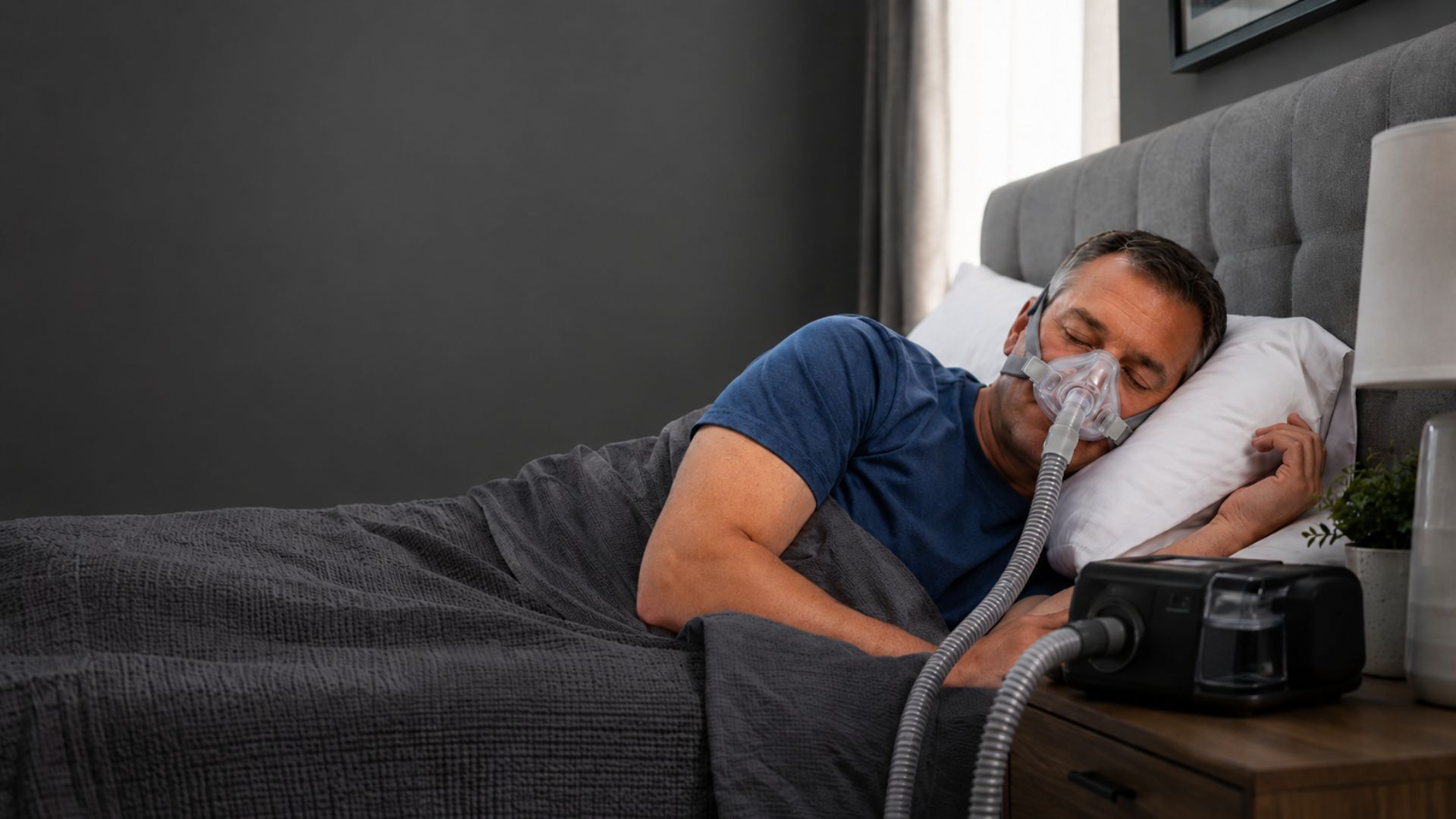




Replacement timing varies by manufacturer, product condition, environment, insurance plan, and individual use. The schedule below should be treated as a practical inspection guide, not a universal coverage guarantee.
Why CPAP Supplies Need Regular Replacement
CPAP components are exposed to skin oils, moisture, movement, dust, cleaning, and nightly wear. Over time, these factors can change how well the equipment seals or functions.
Replacement may be needed when a part:
- No Longer Seals: The cushion leaks despite cleaning and adjustment.
- Loses Elasticity: Headgear must be continually tightened.
- Becomes Damaged: Tubing, frames, or chambers develop cracks.
- Cannot Be Cleaned: Discoloration or residue remains after proper washing.
- Causes Irritation: A worn surface begins rubbing or pressing the skin.
- Restricts Airflow: A filter becomes dirty or damaged.
- Fits Differently: The material becomes stiff, soft, warped, or stretched.
CPAP Supply Replacement Schedule
The following schedule provides common manufacturer guidance. Always follow the instructions for your specific equipment.

Mask Cushions and Nasal Pillows: Inspect Monthly
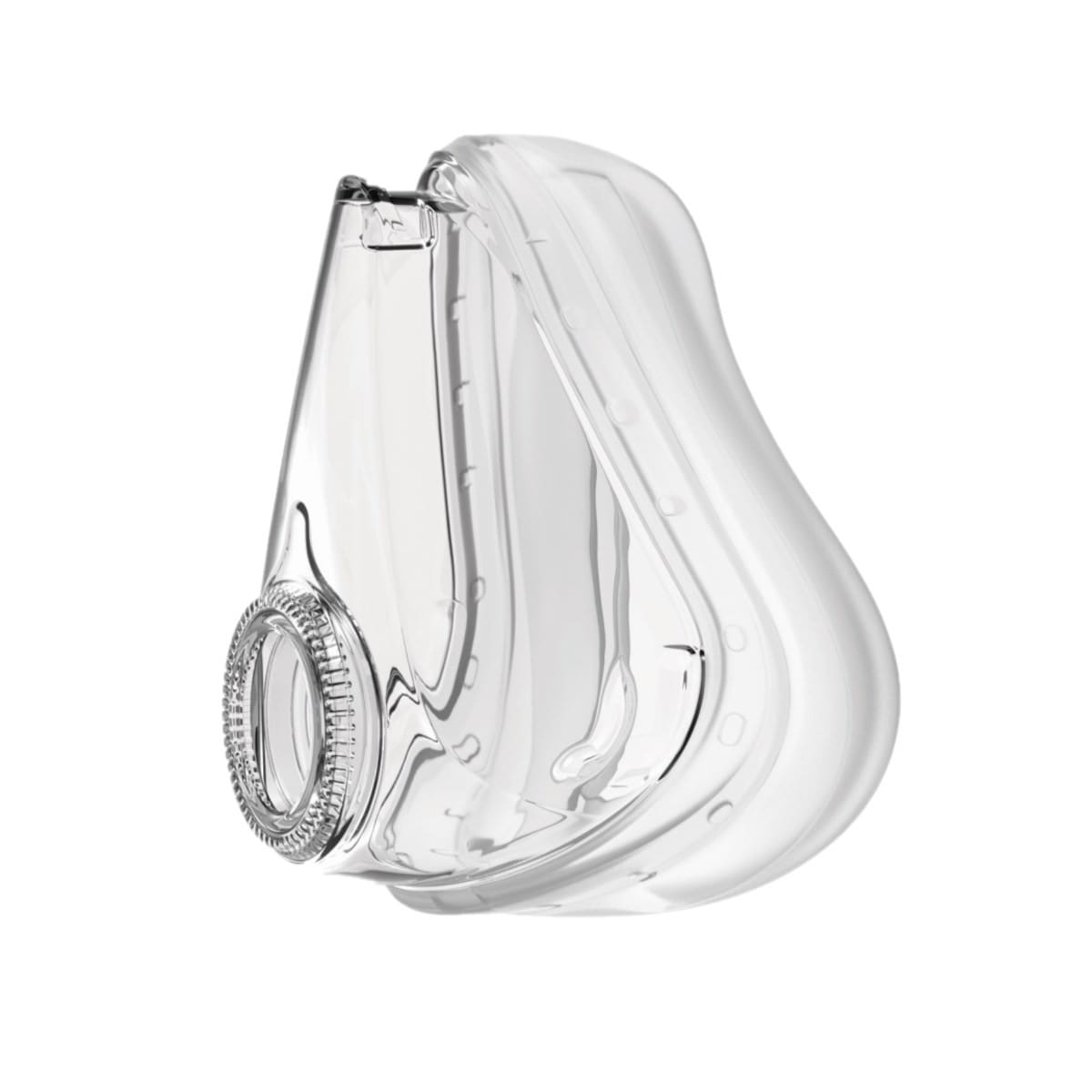
The cushion or nasal pillows form the seal against your face. Because this part receives direct contact with skin, it often wears faster than the mask frame.
Consider replacement when:
- Material Changes: The cushion feels stiff, thin, soft, or collapsed.
- Visible Damage: The edges have cracked.
- Permanent Discoloration: The material no longer looks clean after washing.
- More Leaks: The seal is less reliable.
- Excessive Tightening: You must overtighten the straps.
- Skin Irritation: Redness or soreness has increased.
- Loss of Shape: The cushion no longer returns to its original form.
Some manufacturer guidance recommends replacing cushions once or twice per month depending on the design and condition. Other users may get more time from a cushion. Visual inspection and seal performance are more useful than relying on the calendar alone.
CPAP Filters: Check Frequently and Replace as Directed
CPAP filters help prevent dust and airborne particles from entering the machine. Replacement timing depends heavily on the machine, filter type, indoor environment, pets, smoke exposure, and air quality.
Disposable filters usually require more frequent replacement than washable reusable filters.
Replace a disposable filter when:
- Discoloration: It appears gray or dirty.
- Visible Debris: Dust is trapped in the material.
- Physical Damage: It has holes or tears.
- Moisture Exposure: The filter became wet.
- Scheduled Replacement: The machine instructions call for a new filter.
- Reduced Airflow: The filter appears clogged.
Never wash a filter labeled disposable.
Mask Frame: Inspect Around Every Three Months
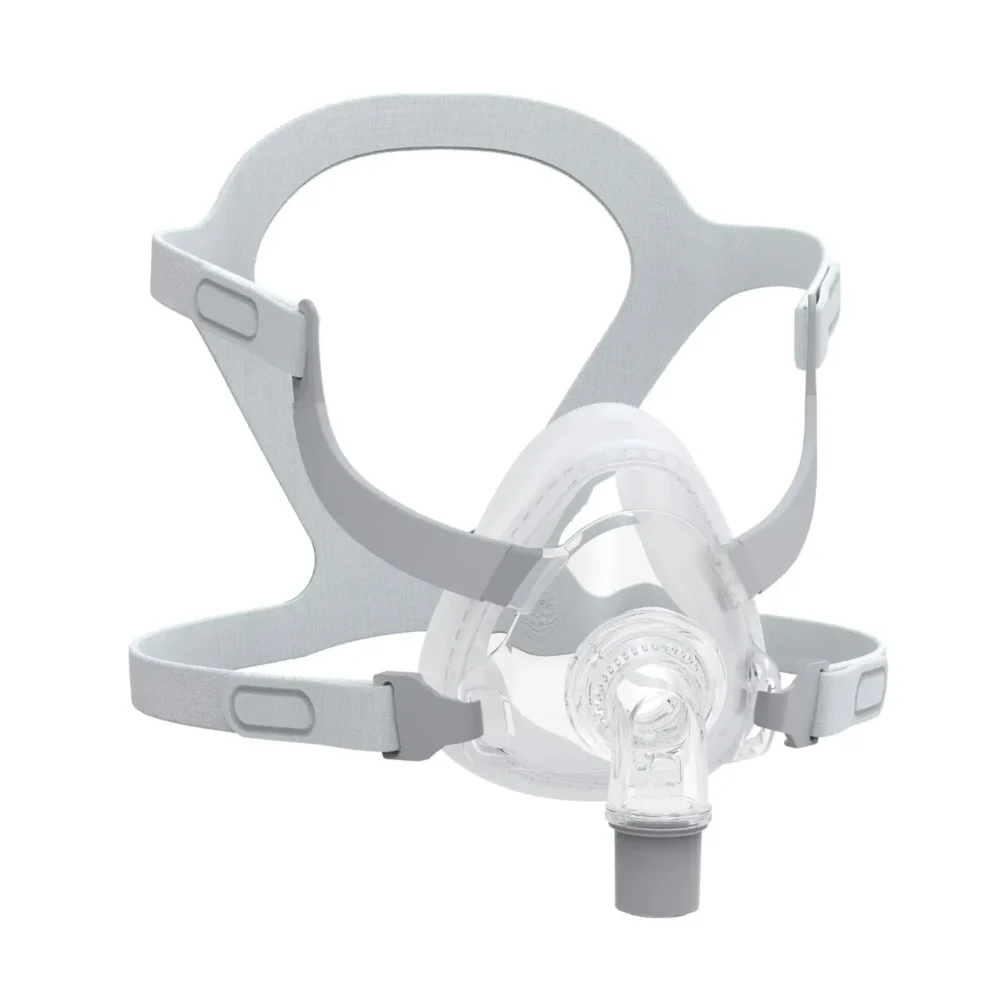
The mask frame connects the cushion, headgear, elbow, and tubing. Although it does not usually wear as quickly as the cushion, repeated assembly, cleaning, and movement can affect it.
Check the frame for:
- Cracks: Look around attachment points.
- Loose Elbow: Check the swivel and tubing connection.
- Warping: Confirm that the frame still holds its shape.
- Broken Clips: Inspect all fasteners.
- Loose Cushion: Make sure the cushion attaches securely.
- Persistent Leaks: Replace the frame when a new cushion does not solve the problem.
If the frame is intact and compatible replacement cushions remain available, you may not need to replace the full mask assembly every time the cushion wears out.
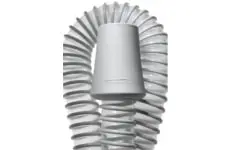
CPAP Tubing: Inspect Regularly and Consider Replacement Around Three Months
Tubing flexes and moves throughout the night. It can develop cracks at the cuffs, punctures along its length, or stiffness that makes movement more difficult.
Replace the tube when:
- Physical Damage: You find a tear, puncture, or split.
- Loose Ends: The connection cuffs no longer fit securely.
- Discoloration: The tube has changed color.
- Whistling: Air escapes through a small opening.
- Residue: Condensation or buildup cannot be removed properly.
- Loss of Flexibility: The tubing pulls against the mask.
- Unexplained Leaks: The machine reports leaks that do not come from the mask.
Headgear: Inspect Around Every Six Months
Headgear gradually stretches as it is worn and washed. Once the material loses elasticity, users often compensate by tightening the straps. This may cause pressure marks without restoring a reliable seal.
Consider replacement when:
- Loose Adjustment: The straps no longer stay in place.
- Worn Fasteners: Velcro or clips stop holding.
- Riding Up: The headgear moves upward during sleep.
- Stretching: The material has lost elasticity.
- Mask Movement: The mask shifts more often.
- Excessive Tightening: The straps must be pulled too tightly.
- Fabric Damage: The material remains stained or torn after cleaning.
Humidifier Water Chamber: Inspect Around Every Six Months
The humidifier chamber is repeatedly exposed to water, heat, minerals, cleaning, and handling.
Check it for:
- Cracks or Leaks: Inspect the tub and lid.
- Cloudiness: Look for material changes.
- Mineral Buildup: Check the base and connection points.
- Damaged Seals: Inspect gaskets and silicone surfaces.
- Closure Problems: Make sure the lid closes securely.
- Persistent Residue: Replace the chamber if deposits cannot be removed.
- Warping: Check the areas near machine connections.
Using distilled water when required by the manufacturer may reduce mineral buildup, but it does not prevent normal wear.
Replace a cracked or leaking chamber promptly. Water should never be allowed to enter the CPAP machine itself.
CPAP Mask Assembly: Replace When the Frame or Full System Is Worn
A complete mask includes the frame, cushion, and headgear. You may not need to replace all three components at the same time.
A complete replacement may be appropriate when:
- Multiple Worn Parts: Several components need replacement.
- Unavailable Parts: Compatible replacement pieces are no longer sold.
- Changed Breathing Habits: Your current mask style no longer matches how you breathe.
- Sleep Position Changes: The mask no longer works in your preferred position.
- Facial Changes: Your face shape or weight has changed.
- Comfort Issues: A different mask style may fit better.
- Safety Notice: The current model is affected by a warning or recall relevant to you.
When selecting a replacement, consider full face, nasal, and nasal pillow categories rather than automatically purchasing the same mask again.
How Long Does a CPAP Machine Last?
A CPAP machine typically lasts longer than its accessories. General manufacturer guidance often places the expected replacement period around five years, although actual useful life can depend on the model, maintenance, hours of use, mechanical condition, and insurance requirements.
Warning signs that a machine should be evaluated include:
- New Sounds: The machine makes an unusual mechanical noise.
- Inconsistent Airflow: Pressure does not feel stable.
- Error Messages: The display shows repeated alerts.
- Humidifier Failure: The heated humidifier no longer works correctly.
- Unexpected Shutdowns: The machine turns off during use.
- Electrical Damage: Cords or connections appear worn.
- Part Availability: Compatible accessories are difficult to find.
- Performance Changes: Problems continue after replacing accessories.
Do not wait until the machine fails completely before asking whether repair or replacement is appropriate.
OxyMed’s technicians are factory trained to repair major CPAP and BiPAP machine brands and oxygen concentrators. Learn more about CPAP repair services.
Does Medicare Cover Replacement CPAP Supplies?
Medicare may cover CPAP machine rental and related supplies, including masks and tubing, when applicable eligibility, medical necessity, supplier, and documentation requirements are met. Coverage is not automatic for every product or replacement frequency.
Before ordering, ask:
- Eligibility: Is this item currently eligible for replacement?
- Prescription: Is a new order required?
- Assignment: Does the supplier accept Medicare assignment?
- Covered Product: Is the exact brand or model included?
- Out-of-Pocket Cost: Will a deductible or coinsurance apply?
- Authorization: Is prior approval needed?
- Private Plan Rules: Does your insurance use a different schedule?
OxyMed provides Medicare CPAP and BiPAP coverage resources through its company forms section and encourages customers to call with questions.
Cleaning Does Not Replace Worn Equipment
Regular cleaning helps remove facial oils, dust, and residue, but cleaning cannot restore damaged silicone, stretched straps, cracked plastic, or torn tubing.
- Clean Correctly: Use the product instructions for frequency and method.
- Avoid Harsh Chemicals: Strong cleaners may damage materials.
- Dry Completely: Moisture should not remain inside the system.
- Inspect While Cleaning: Look for cracks, discoloration, and wear.
- Replace Damaged Parts: Do not attempt unsafe repairs with household tape or glue.
- Keep Spare Supplies: A backup cushion, filter, or tube can prevent interrupted therapy.
Create a Monthly CPAP Supply Check
Choose one day each month to inspect your complete setup.
- Cushion: Is it cracked, stiff, discolored, or leaking?
- Headgear: Has it stretched or stopped holding adjustments?
- Frame: Are clips, elbows, and connection points secure?
- Tubing: Are there holes, loose cuffs, or discoloration?
- Filter: Is it dirty, damaged, or overdue according to the manual?
- Chamber: Are there cracks, buildup, or worn seals?
- Machine: Are there errors, unusual sounds, or airflow changes?
- Inventory: Do you have a backup filter, cushion, or tube?
- Coverage: Are any replacement items currently eligible?
This simple routine can help you identify problems before they disrupt an entire night of therapy.
Order CPAP Replacement Supplies From OxyMed
Replacing CPAP supplies is not only about following a calendar. It is about recognizing when a component can no longer provide a clean, comfortable, and reliable connection to your prescribed therapy.
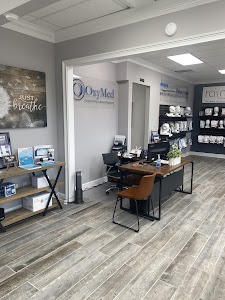
OxyMed carries CPAP filters, tubing, masks, cushions, machines, cleaning products, accessories, and replacement supplies from major manufacturers. Customers can shop online with expedited nationwide shipping or visit the Birmingham location for assistance.
Call OxyMed at (205) 981-2333 Monday through Friday from 8:30 a.m. to 5:00 p.m. Central Time to ask about replacement parts, product compatibility, insurance questions, or CPAP machine repair.