




















Are All CPAP Mask Leaks a Problem?
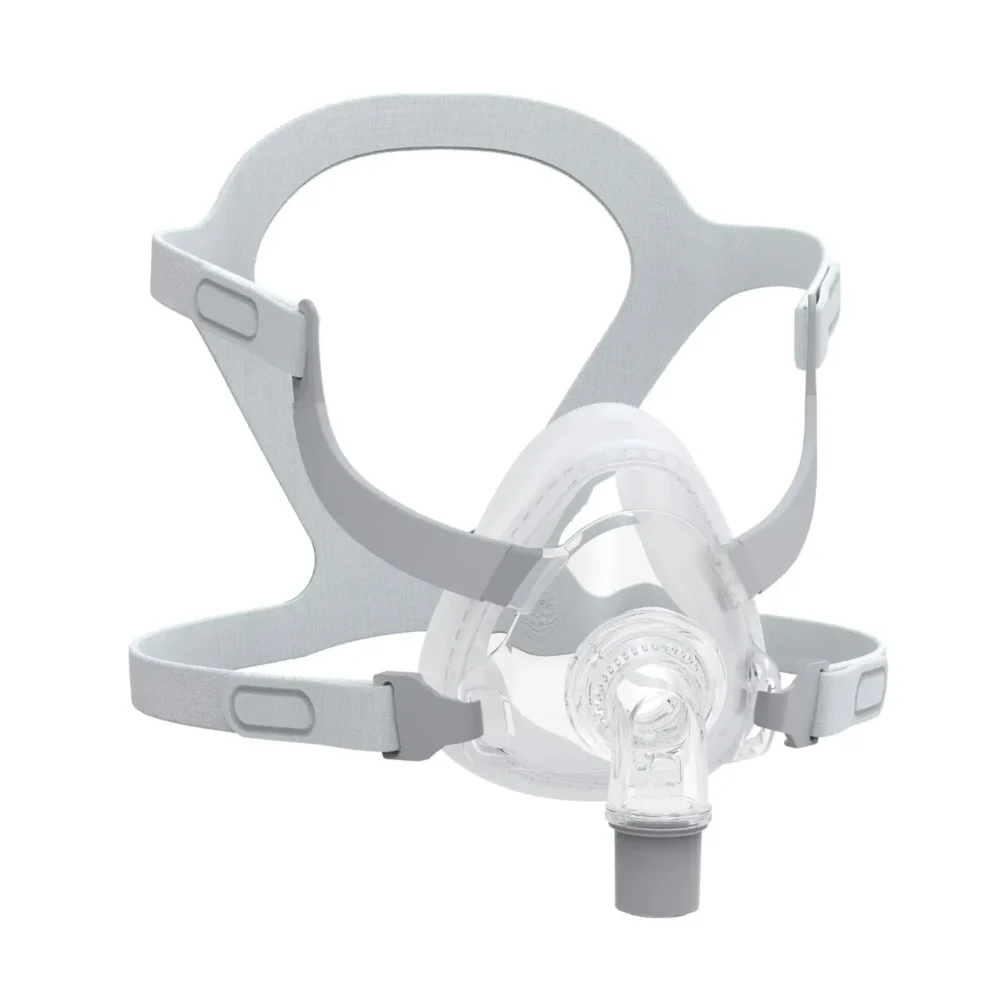
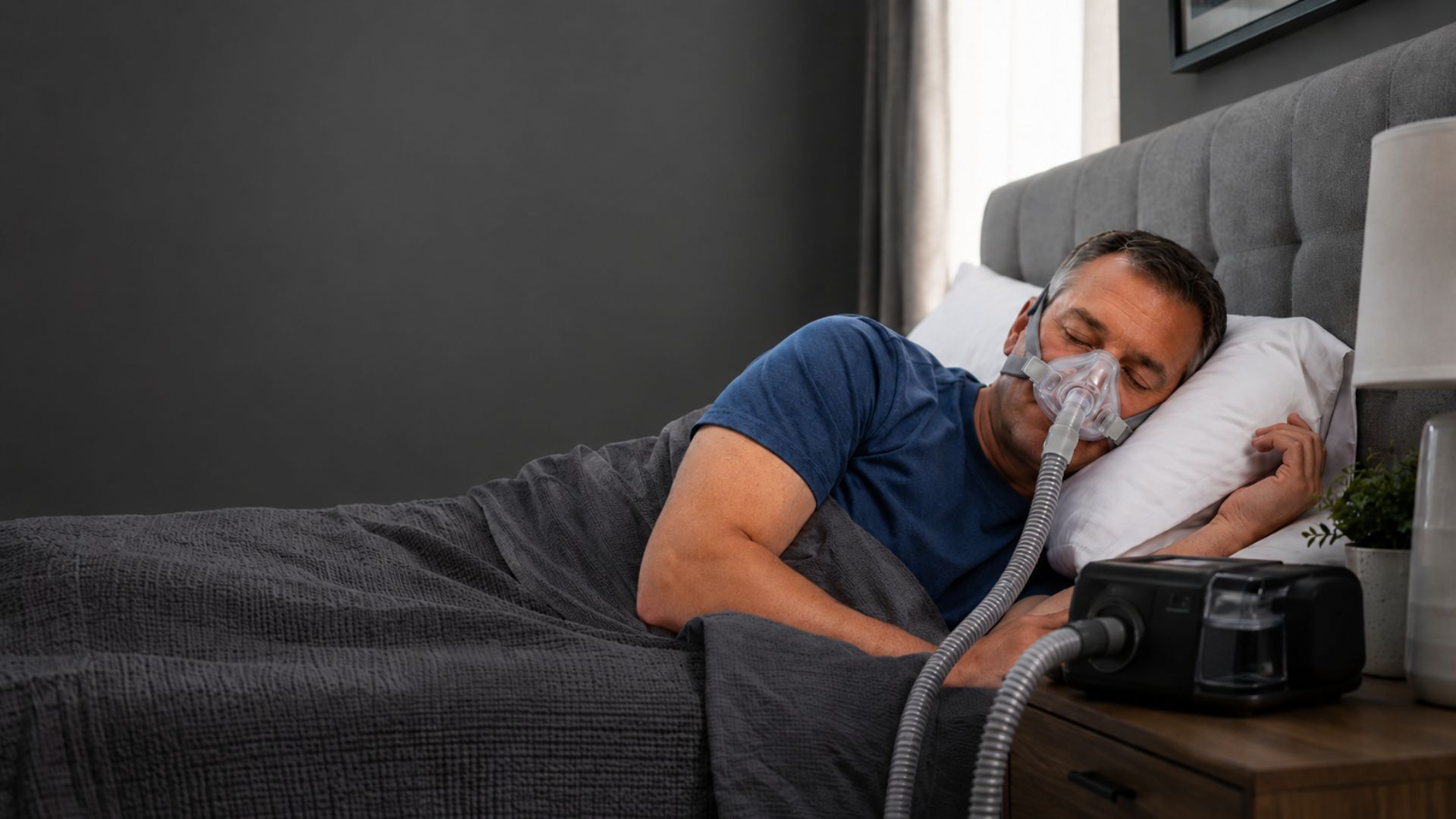
CPAP masks include vents that intentionally release exhaled air. A steady stream of air from the designated vent is normally part of the mask’s operation and should not be covered.
An unintentional leak occurs when air escapes from another part of the system. This may happen around the cushion, through the mouth, from a cracked tube, or at a loose connection.
Signs that deserve attention include:
- Air Blowing Into the Eyes: The cushion may be lifting near the nose.
- Dry Mouth: Air may be escaping through the mouth or mask.
- Whistling Sounds: A seal or connection may be loose.
- Frequent Awakening: The mask may move when you change positions.
- Red Pressure Marks: The mask may be overtightened.
- Increased Machine Leak Data: The system may be detecting unintended airflow.
- Continued Fatigue: Your prescribed therapy may not be functioning as expected.
1. Reposition the Mask While the Machine Is Running
Do not evaluate your mask fit only while sitting upright with the machine turned off. The cushion behaves differently after air pressure begins.
Put the mask on, start the machine, and lie in your normal sleeping position. Gently lift the cushion away from your face for a moment, then allow it to settle back into place. This can help the cushion inflate and reseat naturally.
Move your head from side to side and test your usual sleep positions. A mask that seals while sitting may leak after your head reaches the pillow.
2. Avoid Overtightening the Headgear
Tightening every strap as much as possible can make a leak worse. Excessive pressure may flatten or fold the cushion, creating a pathway for air to escape.
The headgear should feel secure but not painful. Adjust the straps in small, even increments. If one side is significantly tighter than the other, the cushion may sit unevenly.
3. Clean Facial Oils From the Cushion
Facial oil, moisturizer, sweat, and product residue can prevent the cushion from maintaining contact with the skin. Even a properly sized mask may begin slipping after residue builds up.
Clean the cushion according to the manufacturer’s instructions. Warm water and mild liquid detergent are commonly recommended for many mask components, while stronger products may damage the material or leave residue.
- Wash Your Face: Remove oil, makeup, and heavy moisturizer before bed.
- Inspect the Cushion: Look for residue or discoloration.
- Let Parts Dry: Do not reassemble wet components unless the instructions specifically permit it.
- Avoid Harsh Cleaners: Alcohol, bleach, scented oils, and aggressive detergents may damage some materials.
Always follow the manual supplied with your specific mask.
4. Inspect the Cushion for Wear
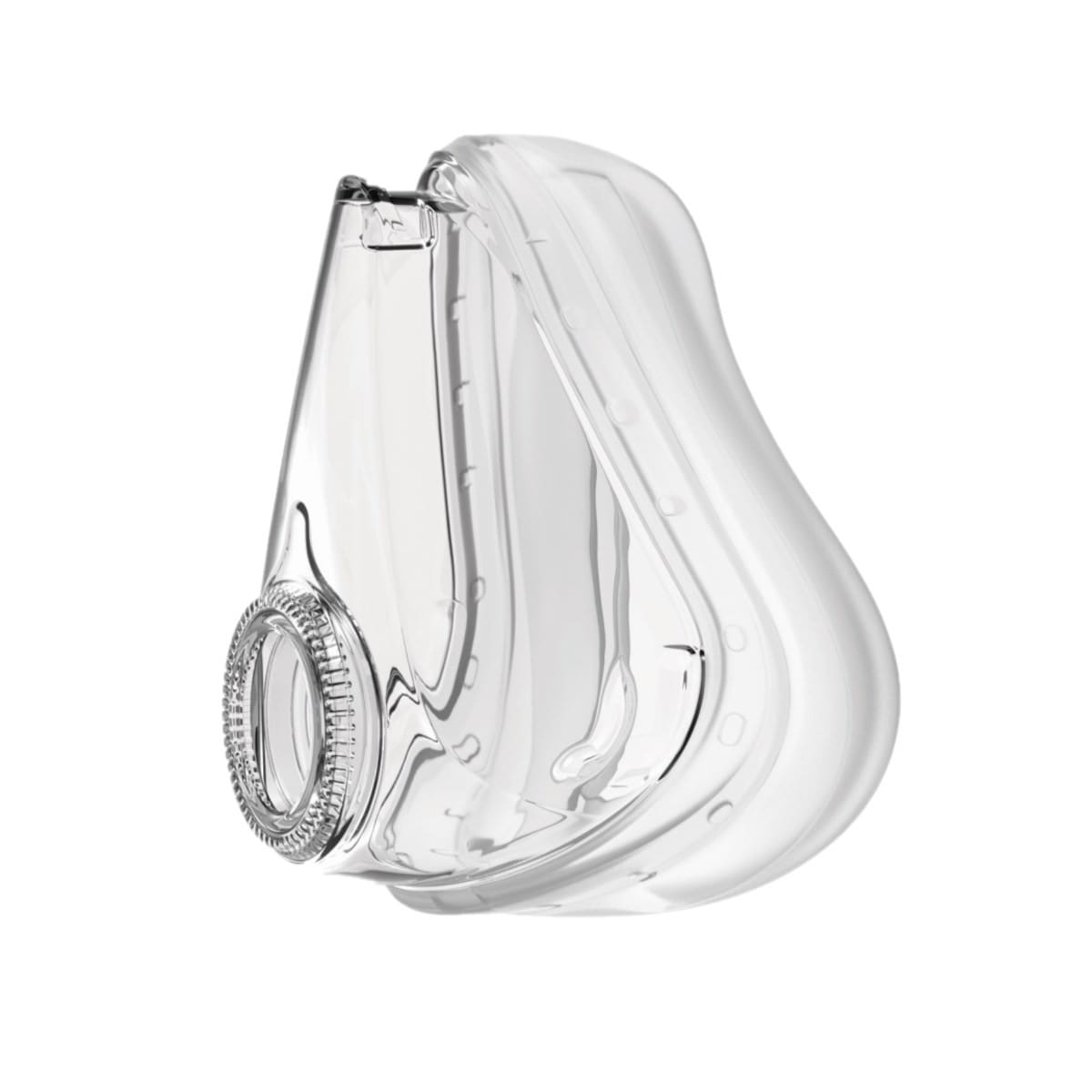
CPAP cushions gradually lose softness and flexibility. A worn cushion may look clean but no longer conform properly to your face.
Common warning signs include:
- Hardened Edges: The cushion feels stiff or brittle.
- Cracks or Tears: The material is physically damaged.
- Permanent Discoloration: The cushion no longer looks clean after washing.
- Collapse: The cushion flattens too easily.
- Frequent Leaks: Correct adjustment no longer solves the problem.
- Pressure Points: New redness or soreness appears.
- Extra Tightening: The straps must be pulled tighter than before.
Replacing the cushion may be more affordable and convenient than replacing the entire mask when the frame and headgear remain in good condition.
OxyMed carries replacement mask cushions for ResMed, Fisher & Paykel, Respironics, SleepNet, React Health, Rain8, and other mask systems.
5. Confirm That You Have the Correct Size
A mask can leak because it is too large or too small. A cushion that is too large may extend beyond the correct sealing area. One that is too small may pinch, shift, or sit too close to the nostrils or mouth.
Sizing also varies between manufacturers. Wearing a medium in one mask does not guarantee that a medium in another model will fit the same way.
Check the current sizing template for the exact model. When possible, compare sizes with help from an equipment specialist instead of guessing from appearance alone.
6. Consider Whether Your Mask Matches Your Breathing Style
A nasal mask or nasal pillow mask may leak through the mouth if your jaw relaxes after you fall asleep. This can contribute to dry mouth, noise, or a loss of comfortable airflow.
A full face mask may be worth discussing when you regularly breathe through your mouth or experience persistent nasal congestion. However, changing mask styles does not address every cause of dry mouth. Medication, dehydration, humidity, nasal obstruction, and other health factors may also contribute.
Do not change prescribed pressure settings or begin sealing your mouth based only on online instructions. Persistent mouth leakage should be discussed with your healthcare provider or qualified equipment specialist.
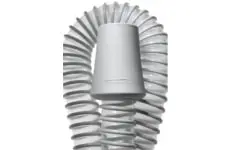
7. Check the Tubing for Cracks and Loose Connections
The mask may not be the source of the leak. Disconnect the hose and inspect its full length.
- Small Punctures: Check areas that may rub against a bedframe.
- Cracked Cuffs: Examine both ends of the tube.
- Loose Connections: Confirm that each end is fully seated.
- Pet Damage: Tiny tooth or claw punctures may be difficult to see.
- Stiffness: Older tubing may become less flexible.
- Visible Wear: Replace tubing that is torn or damaged.
8. Inspect the Humidifier Chamber and Seals
A humidifier chamber that is not fully inserted may allow air to escape before it reaches the hose. Cracks, worn seals, or an incorrectly seated water chamber can also create unusual sounds.
Remove and reinstall the chamber according to the machine instructions. Check for:
- Cracks: Look for damage in the water tub.
- Worn Seals: Inspect silicone gaskets and contact points.
- Mineral Buildup: Check around the lid and connection areas.
- Closure Problems: Confirm that the chamber closes correctly.
- Overfilling: Keep water below the fill line.
- Loose Connections: Reinsert the chamber securely.
Do not continue using a cracked chamber if the manufacturer’s instructions call for replacement.
9. Look at Your Pillow and Sleeping Position
A standard bed pillow can press against the side of a CPAP mask and break the seal. This is especially common among side sleepers.
- Pillow Position: Move closer to the pillow’s edge.
- Mask Cutouts: Use a pillow designed with space for the mask.
- Lower Profile: Consider a more compact mask.
- Top-of-Head Tubing: Keep the hose away from the chest and arms.
- Hose Routing: Route the tubing above the headboard.
- Hose Holder: Reduce pulling as you turn.
The goal is to prevent the pillow or tubing from pushing the mask away from your face.
10. Decide Whether the Current Mask Style Still Fits Your Needs
Weight changes, facial hair, dental work, surgery, skin sensitivity, nasal symptoms, and changes in sleeping position can affect mask fit. A mask that worked well two years ago may not be the best choice today.
Consider a different style when:
- Repeated Position Leaks: The mask leaks in your preferred sleep position.
- Excessive Tightening: You must overtighten it every night.
- Nose Irritation: The bridge of your nose remains sore.
- Eye Leaks: Air continues blowing into your eyes.
- Mouth Leakage: You developed frequent mouth leaks.
- Worn Components: Replacement cushions do not solve the problem.
- Unstable Frame: The frame or headgear no longer feels secure.
OxyMed carries full face, nasal, and nasal pillow masks from multiple manufacturers, allowing users to compare different cushion shapes, frames, and tubing configurations.
When Should You Call Your Healthcare Provider?
Contact your healthcare provider when leaks continue after basic equipment checks or when you experience:
- Breathing Difficulty: You feel short of breath or uncomfortable.
- Chest or Stomach Discomfort: You develop pain or pressure.
- Significant Bloating: Air causes ongoing abdominal discomfort.
- Daytime Sleepiness: Fatigue is getting worse.
- Frequent Awakening: Therapy repeatedly disrupts your sleep.
- New Headaches: Morning headaches appear or worsen.
- Pressure Intolerance: Prescribed airflow feels difficult to tolerate.
- Treatment Concerns: Symptoms suggest therapy is not working as expected.
Never adjust a prescribed pressure setting without appropriate clinical guidance.
Could the CPAP Machine Need Repair?
When the mask, cushion, tubing, chamber, and connections appear intact, unusual airflow or performance may come from the machine.
- Unstable Airflow: The machine does not maintain airflow.
- Error Messages: The display shows repeated errors.
- Mechanical Noise: The device makes a new sound.
- Power Problems: The electrical connection is unreliable.
- Humidifier Failure: The humidifier no longer functions correctly.
- Unexpected Shutdowns: The machine turns off during use.
- Older Equipment: Performance has changed after years of use.
OxyMed’s factory-trained technicians service major CPAP and BiPAP brands as well as oxygen concentrators. Learn more about CPAP repair services.
Get Help Solving a CPAP Mask Leak
A CPAP leak is often a sign that something needs to be cleaned, adjusted, replaced, or reevaluated. Addressing it early may help prevent dry mouth, disrupted sleep, unnecessary overtightening, and frustration with therapy.
OxyMed can help you compare replacement cushions, masks, tubing, humidifier components, and other CPAP supplies. Customers near Birmingham can visit the store, while customers elsewhere can shop online with expedited nationwide shipping.
Call (205) 981-2333 Monday through Friday from 8:30 a.m. to 5:00 p.m. Central Time for product guidance or CPAP repair assistance.