

















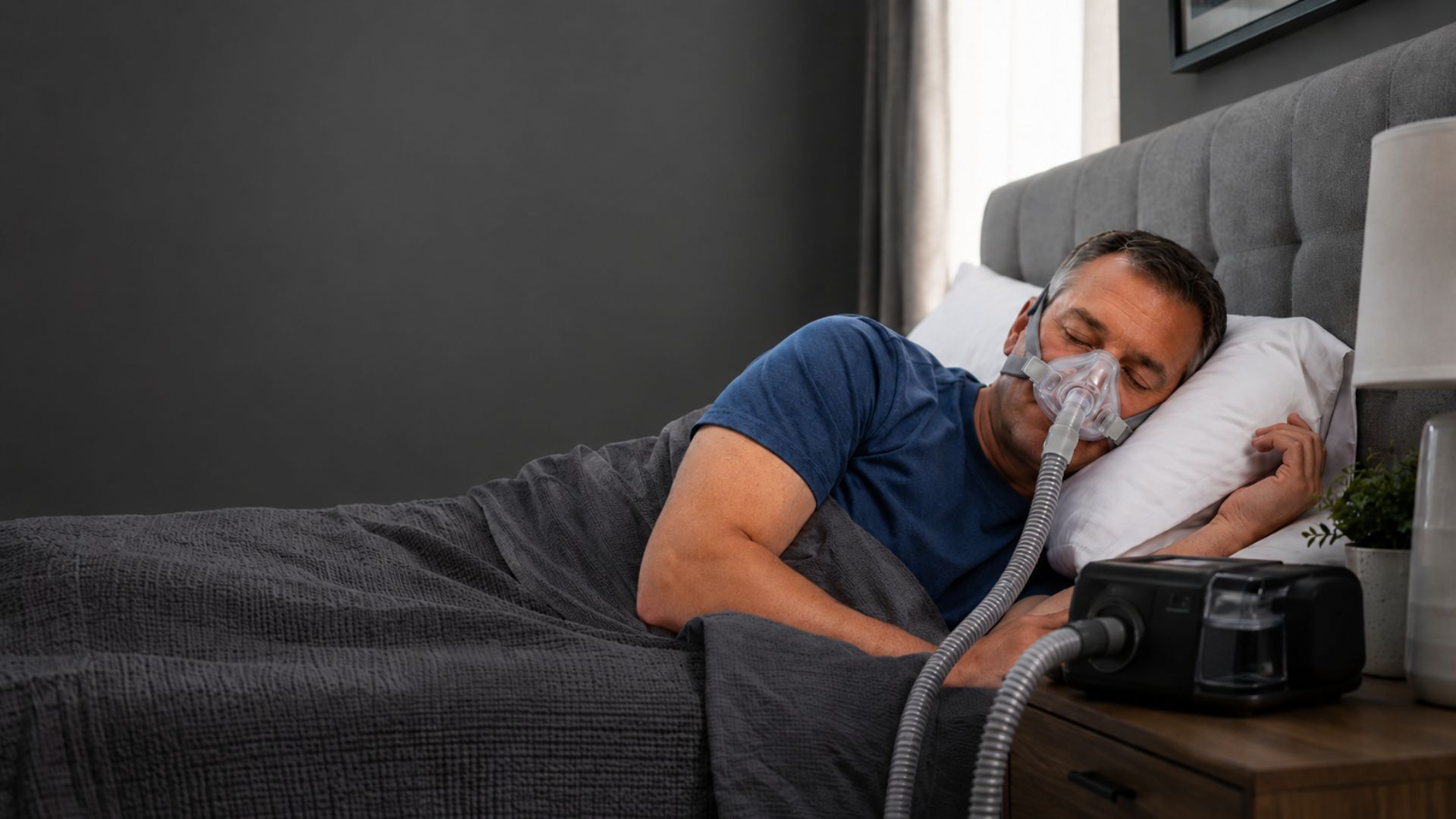




Why Choosing the Right CPAP Mask Matters
Your CPAP mask creates the connection between you and your therapy machine. When the mask fits correctly, prescribed air pressure can reach your airway while you sleep. When it fits poorly, you may experience leaks, dry mouth, skin irritation, noise, pressure marks, or repeated awakenings.
The National Heart, Lung, and Blood Institute notes that CPAP users may experience dry mouth, congestion, irritation, or mask leaks. A healthcare provider or equipment specialist may be able to address these problems by helping the user choose a different mask, improve the fit, or make other appropriate adjustments.
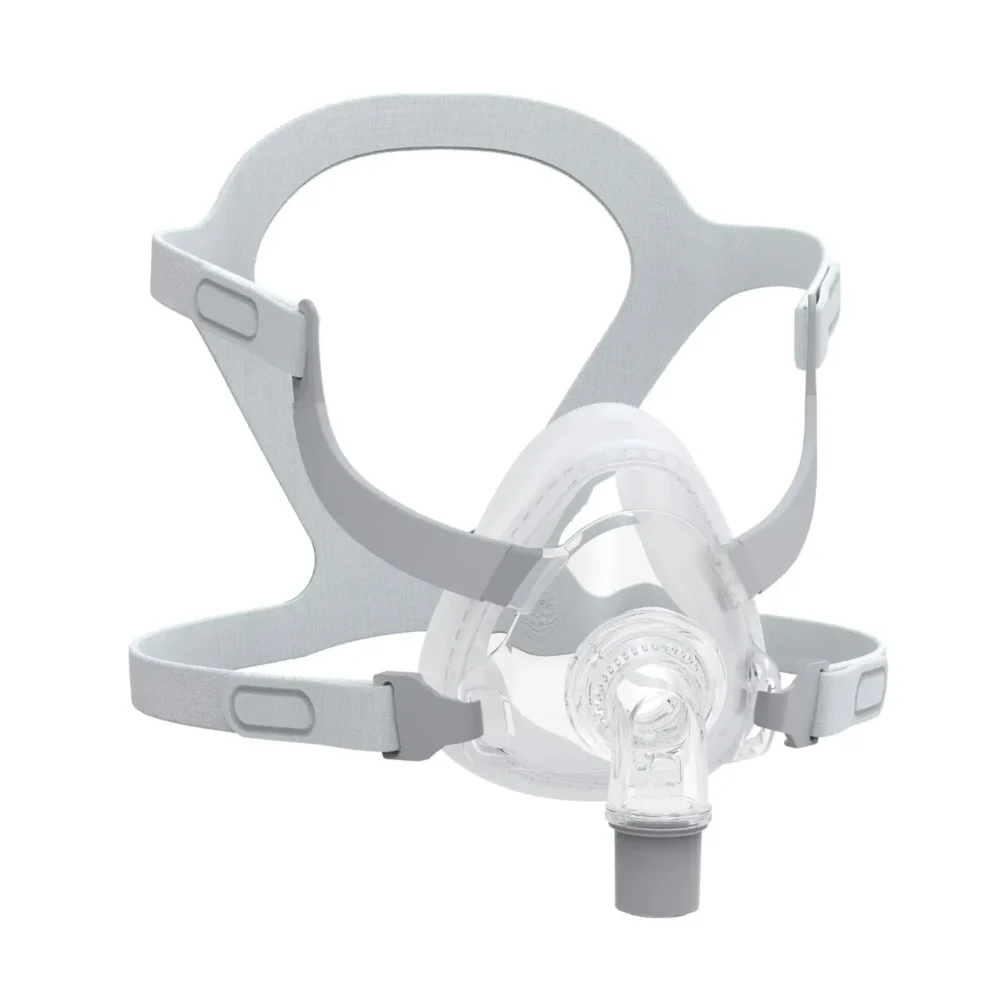
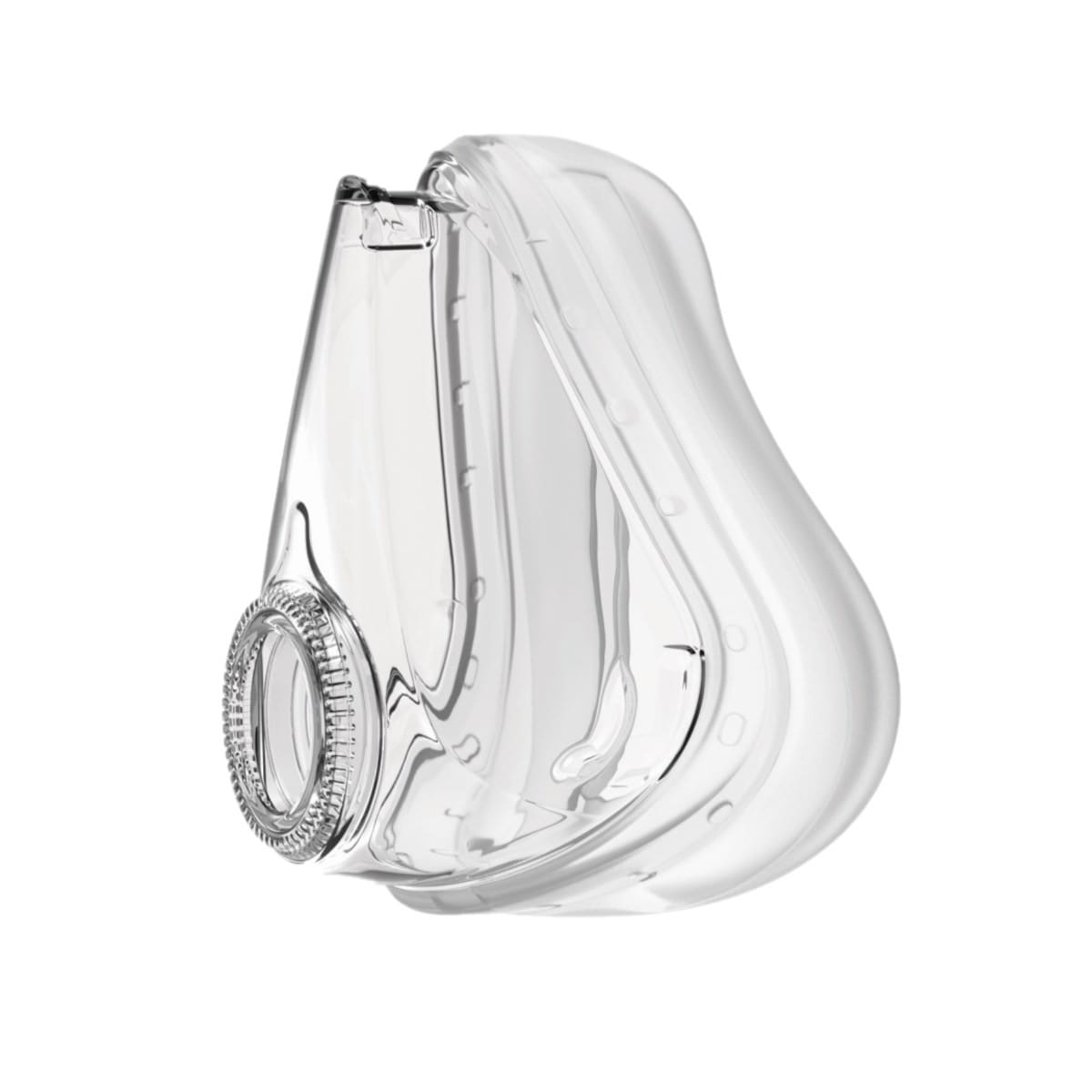
- Full Face Masks: Cover the nose and mouth.
- Nasal Masks: Cover the nose without covering the mouth.
- Nasal Pillow Masks: Use small cushions that rest at or slightly inside the nostrils.
Each style has advantages and potential limitations.
What Is a Full Face CPAP Mask?
A full face CPAP mask covers both your nose and mouth. It is often considered by people who regularly breathe through their mouths, experience nighttime nasal congestion, or have difficulty keeping their mouths closed while using a nasal interface.
Potential Benefits of a Full Face Mask
A full face mask allows therapy air to be delivered through both the nose and mouth. This can make it a practical option when nasal breathing is inconsistent.
A full face mask may be worth discussing with your provider or equipment specialist when:
- Mouth Breathing: You regularly wake with your mouth open.
- Nasal Congestion: Allergies or congestion make nasal breathing difficult.
- Dry Mouth: Air may be escaping through your mouth while using a nasal mask.
- Higher Therapy Pressure: You need a mask that feels stable at your prescribed setting.
- Jaw Relaxation: Your mouth naturally falls open after you fall asleep.
Full face masks are available in traditional designs that cover the bridge of the nose and lower-profile designs that sit beneath the nose.
Possible Limitations of a Full Face Mask
Because a full face mask covers more of the face, there is a larger sealing area. This can make proper sizing and fitting especially important.
- More Facial Contact: The mask covers a larger area than nasal styles.
- Limited Vision: Some designs may make it harder to wear glasses while the mask is on.
- Seal Challenges: Leaks may develop near the eyes or lower jaw.
- Enclosed Feeling: Some users may feel restricted by the larger design.
- Side Sleeping: The mask may move when it presses against a pillow.
These issues do not automatically mean that a full face mask is wrong for you. A different cushion size, headgear adjustment, mask shape, or low-profile design may solve the problem.
What Is a Nasal CPAP Mask?
A nasal CPAP mask fits over the nose and usually rests between the upper lip and the bridge of the nose. It offers less facial coverage than a full face mask while providing more structure than a nasal pillow mask.
Potential Benefits of a Nasal Mask
Nasal masks are often selected by people who breathe comfortably through their noses and want a balance between stability and reduced facial coverage.
A nasal mask may be appropriate when:
- Nasal Breathing: You normally breathe through your nose while sleeping.
- Moderate Movement: You change positions but do not constantly toss and turn.
- Balanced Coverage: You want less contact than a full face mask.
- Secure Fit: You prefer a structured cushion around the nose.
- Pressure Comfort: Nasal pillows feel too direct or irritating at the nostrils.
Many nasal masks are available with tubing connections at the front or top of the head. A top-of-head connection can reduce the amount of tubing near your chest and may make position changes easier.
Possible Limitations of a Nasal Mask
A nasal mask may not work as well when your mouth frequently falls open. Air can escape through the mouth, potentially contributing to dryness, noise, and reduced comfort.
People with significant nasal congestion may also struggle with this style. Persistent congestion, dryness, or mouth leakage should be discussed with your healthcare provider instead of changing prescribed therapy settings independently.
What Is a Nasal Pillow CPAP Mask?
A nasal pillow mask is one of the smallest CPAP interfaces. It uses soft cushions that seal around or just inside the nostrils.
Potential Benefits of Nasal Pillows
Nasal pillows may appeal to people who want minimal facial contact or dislike having a mask near the bridge of the nose.
- Minimal Coverage: You prefer a lightweight, open design.
- Claustrophobia: Larger masks make you feel enclosed.
- Reading or Watching Television: You want a clearer field of vision.
- Facial Hair: A traditional cushion has difficulty sealing over a mustache or beard.
- Side Sleeping: You need a compact profile that is less likely to press into the pillow.
- Active Sleeping: You want a lightweight interface with flexible tubing placement.
Some nasal pillow systems include multiple cushion sizes, making it easier to compare fits without purchasing an entirely new mask.
Possible Limitations of Nasal Pillows
The airflow is delivered directly at the nostrils, which can feel uncomfortable for some people. Nasal irritation, dryness, or soreness may develop if the pillows are the wrong size, inserted too far, or tightened too aggressively.
Correct sizing and fitting can support a more comfortable seal and more consistent use.
Which CPAP Mask Is Best for Mouth Breathers?
A full face mask is commonly considered for people who regularly breathe through their mouths because it covers both breathing pathways. However, mouth breathing can sometimes be related to congestion, mask leakage, medication effects, or other concerns that should be discussed with a healthcare professional.
Do not begin taping your mouth closed based only on online advice. Anyone considering a chin strap, mouth-sealing product, or major interface change should first determine why the mouth is opening and whether the proposed solution is safe for their situation.
Which CPAP Mask Is Best for Side Sleepers?
Side sleepers often benefit from masks with a lower profile, flexible frame, secure cushion, or tubing connection at the top of the head.
- Compact Cushion: Reduces contact with the pillow.
- Flexible Frame: Moves more naturally as you change positions.
- Top-Mounted Tubing: Keeps the hose away from your chest and arms.
- Stable Headgear: Helps reduce shifting during the night.
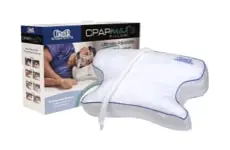
- CPAP Pillow: Provides space around the mask and tubing.
No single mask is best for every side sleeper. Pillow firmness, facial structure, pressure settings, and movement patterns can all affect the result.
Which CPAP Mask Is Best for Active Sleepers?
Active sleepers should look beyond the size of the mask. The location of the hose, flexibility of the frame, headgear stability, and availability of multiple cushion sizes can be just as important.
When comparing masks, consider whether:
- Hose Movement: The hose swivels easily.
- Frame Flexibility: The frame allows side-to-side movement.
- Cushion Recovery: The cushion reseals after position changes.
- Headgear Stability: The headgear stays in place.
- Replacement Parts: Cushions and parts are readily available.
A mask should be fitted while the machine is running and while you are in a realistic sleeping position. Overtightening can create folds in the cushion and lead to additional leaks.
CPAP Mask Safety and Magnetic Clips
Some CPAP masks use magnetic headgear clips. The U.S. Food and Drug Administration has warned that magnets in certain recalled mask models may interfere with some implanted medical devices or metallic objects in the body. This may also affect a bed partner or caregiver who is near the mask.
Before selecting a mask with magnetic clips, review the current manufacturer instructions and discuss any pacemaker, implant, aneurysm clip, metallic fragment, or similar device with your healthcare provider and equipment supplier.
Questions to Ask Before Selecting a CPAP Mask
- Breathing Style: Do you breathe primarily through your nose or mouth?
- Sleep Position: Do you sleep on your back, side, stomach, or several positions?
- Movement: Does your current mask shift when you turn?
- Facial Hair: Does a beard or mustache affect the seal?
- Congestion: Do allergies frequently limit nasal breathing?
- Pressure Points: Where does your current mask cause redness or discomfort?
- Vision: Do you read or watch television while wearing the mask?
- Safety: Do you or your bed partner have an implanted medical device?
The answers can help an experienced CPAP equipment specialist recommend a smaller group of masks to compare.
Get Help Finding the Right CPAP Mask
The right CPAP mask should support your prescribed therapy without making bedtime feel like a nightly struggle. Full face, nasal, and nasal pillow masks each serve different needs, and sometimes the best way to choose is to compare styles and sizes with knowledgeable assistance.
OxyMed carries CPAP and BiPAP masks and supplies from major manufacturers, including ResMed, Fisher & Paykel, Philips Respironics, React Health, and other brands. Customers can shop online or contact the Birmingham team for product guidance.
Call OxyMed at (205) 981-2333 Monday through Friday from 8:30 a.m. to 5:00 p.m. Central Time, or request a call back for help finding a mask that fits your sleep habits and comfort needs.